Charlotte Maxeke Hospital 'Crippled' by Infrastructure Failures
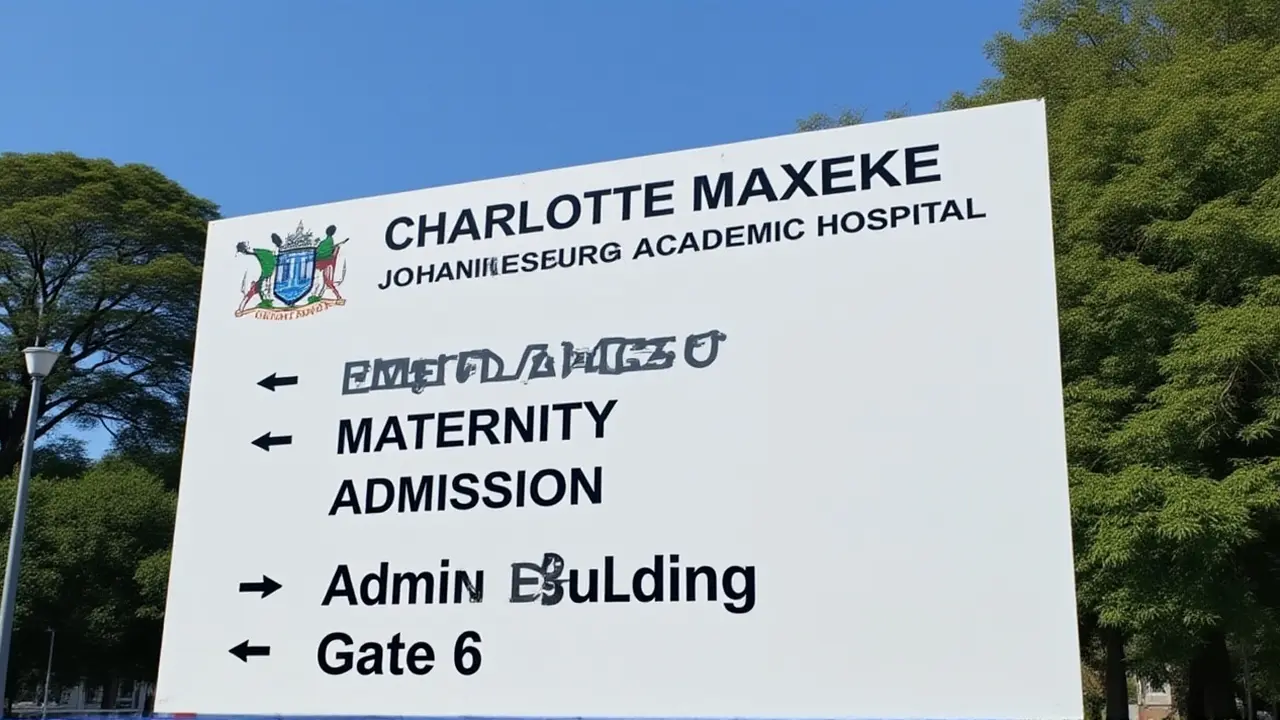
It’s a nightmare scenario that shouldn’t exist in the 21st century: a major academic hospital operating with its lights dimmed and its critical machinery offline. That’s exactly what Charlotte Maxeke Johannesburg Academic Hospital is facing right now. On May 25, 2026, the Democratic Alliance, South Africa’s official opposition party, released a stark statement declaring the facility “crippled” due to severe, systemic infrastructure failures.
The emergency unit at this Parktown landmark isn’t just struggling; it’s surviving on fumes. The DA highlighted that conditions have deteriorated to a point where patient safety is hanging by a thread. This isn’t an isolated glitch—it’s the latest chapter in a long-running saga of power cuts, unpaid bills, and broken promises that has plagued the hospital for years.
A Pattern of Failure
To understand why this news hit so hard on May 25, you have to look back at the timeline. This isn’t new territory for staff and patients alike. In December 2024, Johannesburg City Power cut electricity to the hospital entirely because of non-payment. For those few hours, the only surgeries possible were emergencies performed under generator power. It was chaotic, dangerous, and avoidable.
But go back further—to July 2022—and the picture gets even grimmer. A senior source told the Bhekisisa Centre for Health Journalism that loadshedding had disabled the hospital’s CT scanner. Without that machine, doctors couldn’t assess a patient with a serious brain injury. They were blind. That incident became a symbol of how national power constraints directly translate into local medical tragedies.
Here’s the thing: these aren’t random acts of misfortune. They’re symptoms of a deeper rot. The hospital relies on backup generators when the grid fails, but those generators can’t run everything. High-draw equipment like CT scanners often fails when switching from the Eskom grid to backup sources. It’s a technical limitation that turns a power outage into a medical emergency.
The Political Fallout
The DA’s statement on May 25 wasn’t just criticism; it was a call to action. By labeling the hospital “crippled,” they forced the issue into the public spotlight. Within 24 hours, the pressure worked. On May 26, 2026, Eyewitness News reported that the hospital administration had promised full repairs by August 2026.
Who pushed them? The Office of the Public Protector. Established under Chapter 9 of the Constitution, this independent state institution investigates improper conduct in state affairs. Their scrutiny appears to be the catalyst for the repair commitment. But let’s be clear: a promise made in May doesn’t fix the problems happening today.
The twist is that the Public Protector’s involvement suggests this goes beyond simple maintenance. It implies governance failures—decisions (or lack thereof) that allowed the infrastructure to decay to this level. For a teaching hospital affiliated with the University of the Witwatersrand Medical School, this is embarrassing. Students are learning in a system that’s fundamentally broken.
What Does ‘Crippled’ Mean for Patients?
When a hospital is described as crippled, it means capacity is severely reduced. Emergency units operate at maximum stress, waiting rooms overflow, and elective procedures are cancelled. For the thousands of patients who rely on Charlotte Maxeke every month, this uncertainty is terrifying.
Consider the human cost. In July 2022, a patient with a brain injury couldn’t get scanned. In December 2024, surgeries were limited to life-or-death cases. Now, in late May 2026, the entire facility is deemed compromised. What happens next week? Next month? Until August 2026, we’re left guessing.
Experts warn that prolonged exposure to substandard conditions affects not just immediate outcomes but long-term trust in the public health system. If people don’t believe the hospital can save them, they delay seeking care. That delay costs lives.
The Road to August 2026
The August 2026 deadline is ambitious. Full repairs imply more than patching leaks or replacing bulbs. It likely involves upgrading electrical systems, stabilizing power supplies for sensitive equipment, and possibly renovating aging structures. Given the scale of the issues, skepticism is warranted.
Johannesburg City Power has already shown it will cut off supply if bills aren’t paid. Eskom’s national loadshedding remains a wildcard. And while the Public Protector can investigate, they can’t build walls or wire circuits. The responsibility falls squarely on the hospital administration and provincial health authorities.
Will they deliver? Only time will tell. But for now, the message from the DA is clear: the current state is unacceptable. And until August arrives, patients remain vulnerable.
Frequently Asked Questions
Why was electricity cut to Charlotte Maxeke Hospital in December 2024?
Johannesburg City Power cut electricity to the hospital in December 2024 due to non-payment of bills. This forced the facility to rely solely on generator power, limiting operations to emergency surgeries only. The incident highlighted financial management issues within the hospital’s administration.
How did loadshedding affect patient care in July 2022?
In July 2022, loadshedding caused the hospital’s CT scanner to fail because the machine requires stable, high-power electricity. Doctors were unable to assess a patient with a serious brain injury, demonstrating how power instability directly compromises diagnostic capabilities and patient safety.
What role does the Office of the Public Protector play in this crisis?
The Office of the Public Protector investigated the infrastructure delays and improper conduct related to the hospital’s condition. Their scrutiny pressured the hospital administration to commit to full repairs by August 2026, following the DA’s May 25, 2026 statement about the facility being "crippled."
When are the full repairs expected to be completed?
The hospital administration has promised that full infrastructure repairs will be completed by August 2026. This timeline was announced on May 26, 2026, shortly after media reports and political pressure regarding the ongoing operational challenges at the facility.
Is this the first time Charlotte Maxeke Hospital has faced such issues?
No, this is part of a recurring pattern. Significant incidents include the July 2022 CT scanner failure during loadshedding and the December 2024 total power cut due to non-payment. These events show a history of infrastructure and financial management challenges spanning several years.