Ex-President Yoon Suk Yeol Sentenced to Life for Insurrection
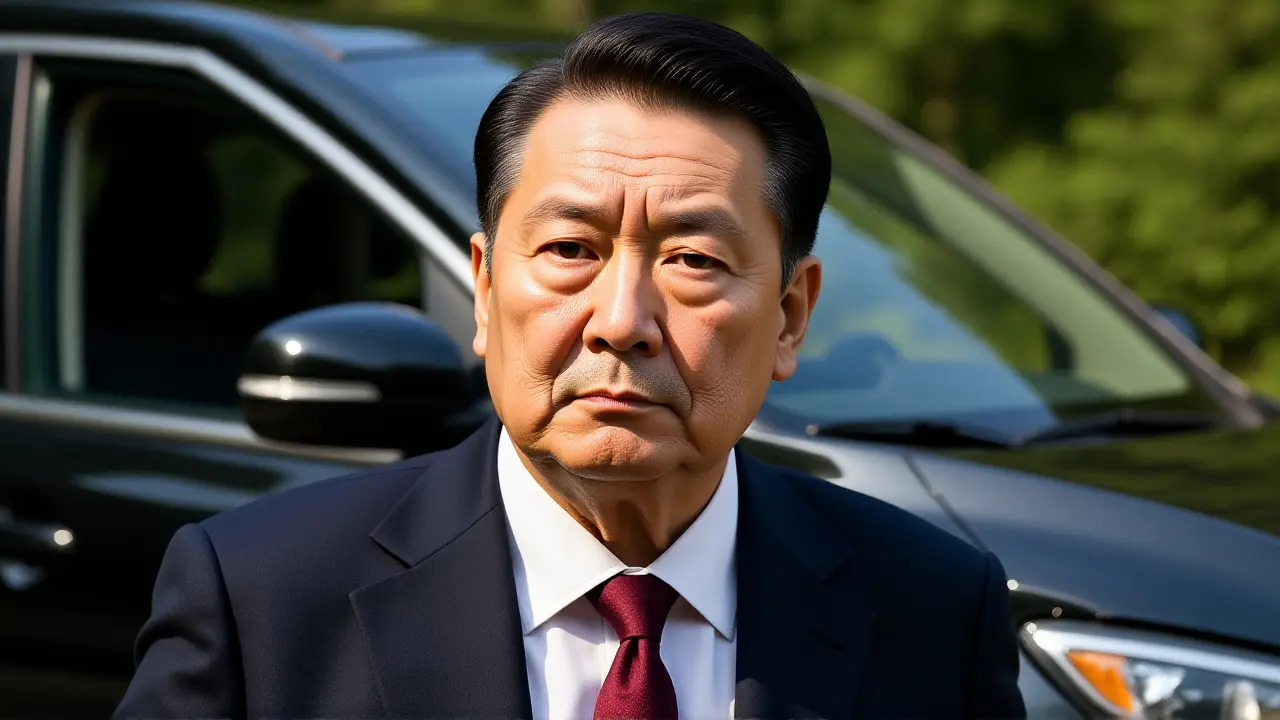
It’s a verdict that has stunned the nation and sent shockwaves through Asia’s fourth-largest economy. Yoon Suk Yeol, former President of South Korea, was sentenced to life in prison on Thursday, February 19, 2026, for leading an insurrection. The ruling by the Seoul Central District Court marks the dramatic end to what many are calling the country’s most severe political crisis in decades.
The sentence stems from Yoon’s controversial decision to declare martial law in December 2024—a move that lasted just six hours but fundamentally altered the trajectory of South Korean democracy. While prosecutors had sought the death penalty, arguing his actions posed an existential threat to the nation’s democratic institutions, the court opted for life imprisonment without parole.
A Six-Hour Crisis That Shook a Nation
To understand the weight of this verdict, you have to go back to the evening of December 3, 2024. Shortly before 10:30 p.m., Yoon announced the imposition of emergency martial law. It wasn’t a response to war or natural disaster; it was a political power grab.
Troops were deployed to the National Assembly in Seoul, blocking lawmakers from entering. But the plan unraveled quickly. Lawmakers fought back, voting to rescind the order within hours. By early morning, the martial law declaration was voided. Yet, those six hours were enough to trigger a chain reaction that would eventually lead to Yoon’s removal from office and now, his incarceration.
Here’s the thing: South Korea is often cited as one of Asia’s most resilient democracies. This incident tested that resilience to its breaking point. The speed with which the military moved—and the speed with which they retreated—highlighted both the fragility and strength of the country’s checks and balances.
From Impeachment to Incarceration
The road to this courtroom didn’t start with the insurrection charge. It began with impeachment. Following the failed martial law attempt, the National Assembly voted to impeach Yoon. The Constitutional Court later upheld the decision, formally removing him from power.
But legal troubles didn’t stop there. On January 16, 2025, the same Seoul Central District Court handed Yoon a five-year prison term for obstructing arrest bids. Authorities had attempted to detain him at his residence in Hannam-dong, Yongsan, on January 3, but faced a complex security standoff. He resisted, claiming executive privilege even after being stripped of office. That resistance became part of the evidence against him.
Then came the main event. The February 19 verdict focused squarely on the insurrection charge. The court ruled that deploying troops to the legislature under false pretenses constituted an act of rebellion against the state. It’s a rare conviction for a former head of state, signaling a hard line drawn by the judiciary.
Prosecutors Wanted Death, Court Chose Life
The prosecution’s case was fierce. A special prosecutor argued that Yoon deserved the ultimate punishment—the death penalty—for threatening the very foundation of South Korean democracy. “His actions were not merely a legal error; they were an assault on the people’s will,” the prosecutor stated during closing arguments.
However, the judge rejected capital punishment. Instead, life imprisonment was deemed appropriate given the severity of the crime and the need for deterrence. This decision reflects a broader trend in South Korean jurisprudence, where life sentences are reserved for crimes of extreme gravity, such as treason or large-scale corruption.
Interestingly, some international reports, including a post by Nigeria’s *The Punch Newspaper*, mentioned a separate 30-year sentence related to a “North Korea drone incident.” However, major outlets like Reuters and domestic broadcasters did not corroborate this specific claim in their coverage of the February 19 verdict. The focus remains firmly on the life sentence for insurrection.
What This Means for South Korea
This verdict isn’t just about one man; it’s a message to all public officials. It reinforces the principle that no one is above the law, not even the president. For citizens who spent months protesting outside the Blue House, the ruling offers a sense of closure—but also caution.
Political analysts warn that this could deepen polarization. Supporters of Yoon may view the sentence as politically motivated, while opponents see it as justice served. The upcoming elections will likely be shaped by this divide, with parties leveraging the narrative of democratic preservation versus perceived persecution.
Moreover, the incident has prompted reviews of constitutional provisions regarding martial law. Article 77 allows the president to declare emergency powers, but only under strict conditions. Legal experts are now debating whether amendments are needed to prevent future abuses.
Key Facts at a Glance
- Date of Verdict: February 19, 2026
- Sentence: Life imprisonment
- Charge: Leading an insurrection via unlawful martial law declaration
- Court: Seoul Central District Court
- Previous Sentence: Five years for obstructing arrest (January 2025)
Frequently Asked Questions
Why was Yoon Suk Yeol sentenced to life instead of the death penalty?
Although prosecutors requested the death penalty, citing the severe threat to democracy, the court determined that life imprisonment was sufficient. In South Korea, capital punishment is rarely carried out, and judges often opt for life sentences in cases involving high-level political crimes unless there are aggravating factors like mass casualties.
What exactly happened during the December 2024 martial law declaration?
On December 3, 2024, Yoon declared martial law shortly before 10:30 p.m., ordering troops to surround the National Assembly. Lawmakers resisted, voting to rescind the order within six hours. The deployment was deemed illegal because it lacked justification under Article 77 of the Constitution, which restricts martial law to wars or national emergencies.
Is the 30-year sentence for the North Korea drone incident confirmed?
No, this claim appears unverified. Major news agencies like Reuters and local broadcasters focused solely on the life sentence for insurrection. The mention of a 30-year term for a drone incident originated from a single social media post by *The Punch Newspaper* and has not been corroborated by official court records or mainstream media.
Can Yoon Suk Yeol appeal this life sentence?
Yes, defendants in South Korea generally have the right to appeal criminal convictions. Given the high-profile nature of the case, appeals are expected to proceed to higher courts, potentially including the Supreme Court. However, overturning an insurrection conviction requires proving significant procedural errors or misinterpretation of law.
How does this affect South Korea’s political landscape?
The verdict intensifies political polarization. Yoon’s supporters may rally around claims of judicial bias, while opposition parties frame it as a victory for democracy. Future legislation may tighten restrictions on presidential emergency powers, and upcoming elections will likely center on restoring trust in governmental institutions.