NSSF Puts Sh9.59 Billion Into Nairobi-Nakuru Toll Road Partnership With CRBC
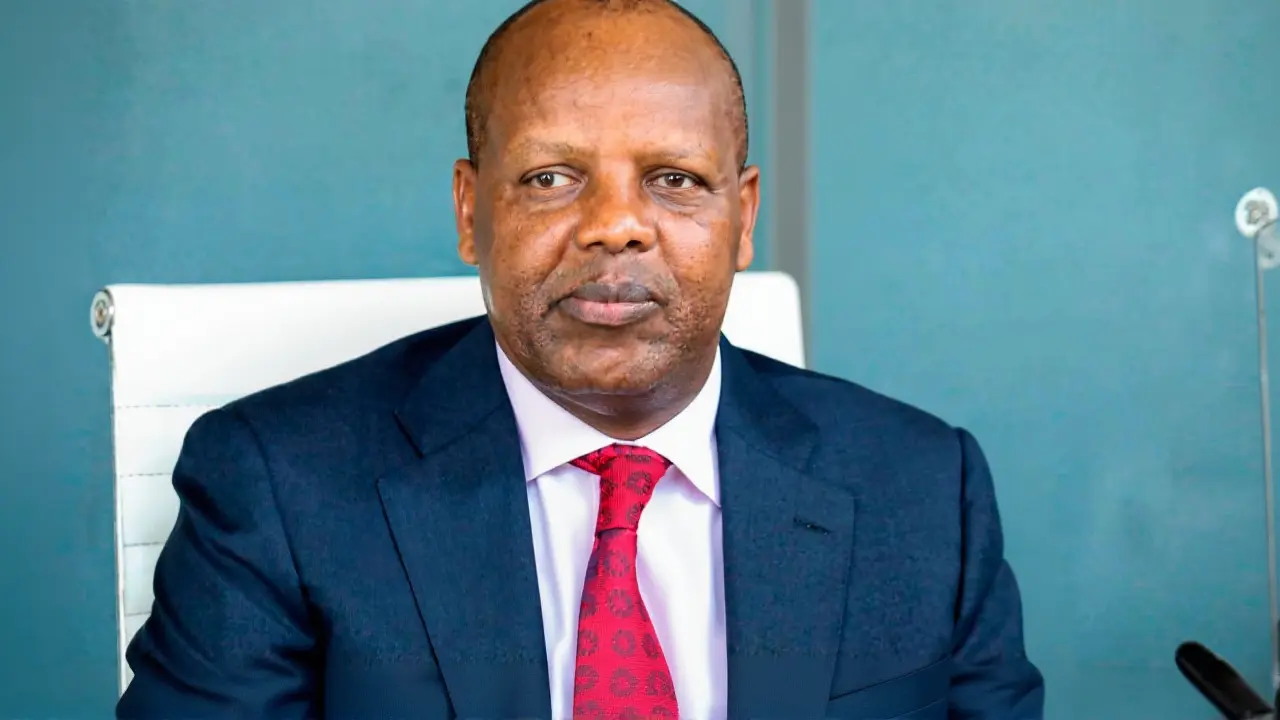
It’s not every day that a state-controlled pension fund makes headlines by betting big on asphalt and steel. On Friday, November 28, the National Social Security Fund (NSSF) officially took a Sh9.59 billion stake in a massive public-private partnership project involving the Nairobi-Nakuru toll road. Working alongside the China Road and Bridge Corporation (CRBC), the move signals a major shift in how Kenya finances its critical transport corridors. This isn't just about moving cars; it’s about securing the retirement futures of millions through infrastructure yields.
The numbers here are staggering. The total valuation of this public-private partnership sits at roughly Sh170 billion. But where does the money actually come from? It turns out the NSSF is contributing equity, while CRBC handles the heavy lifting on debt financing. According to Ronald NyamosiGeneral Manager for Finance and Investments of the NSSF, the fund is looking for an annual dollar return of about 13 percent. Over the projected 28-year concession period, that figure could climb to 18 percent when converted back into Kenya shillings. For a pension scheme, that’s a competitive rate that balances risk with long-term security.
The Anatomy of the Investment Deal
So, what exactly are they building? The consortium is focusing on two specific sections of the highway network. First, there’s the 81-kilometre stretch running from Rironi to Gilgil. Second, they are handling the 58-kilometre A8 South corridor between Rironi, Maai Mahiu, and Naivasha. Combined, the partners are pumping $743 million into these routes. Here’s the breakdown that matters: 25 percent of that capital comes from equity ($185.75 million), and the remaining 75 percent is debt ($557.25 million). The NSSF’s Sh9.59 billion commitment represents 40 percent of that equity slice.
Interestingly, this isn’t the original plan. Initially, the NSSF consortium hoped to handle the entire road project. However, the final arrangement required splitting the work. While NSSF takes the Rironi-Gilgil and Naivasha legs, another Chinese firm, Shandong Hi-Speed Road and Bridge International Engineering (SDRBI), picked up the other end. They are constructing the 94-kilometre Gilgil-to-Mau Summit section, which includes a complicated viaduct passing directly through Nakuru City. This division changes everything about who manages traffic flow and maintenance zones down the line.
Why Split the Contract?
You might wonder why such a huge project needs to be chopped into pieces. The reason lies in bureaucracy, not engineering. There was a strategic decision made to avoid triggering strict approval processes from Beijing. Under current regulations, Chinese state-owned firms dealing with overseas projects valued over $1 billion face intense scrutiny and lengthy review periods. By splitting the contracts, each section falls comfortably below that $1 billion threshold.
The Export-Import Bank of China (China Exim Bank) is expected to provide much of the borrowing for the debt component. Without this split, the project could have sat in legal limbo for over a year. Instead, the government got a green light quickly, allowing construction crews to mobilize almost immediately. It was a clever workaround that saved months of potential downtime.
Political Pressure and Timelines
Time is ticking. Construction kicked off last Friday with a hard deadline set for the end of 2027. This timing aligns perfectly with political cycles. President William Ruto has been vocal about delivering key infrastructure ahead of the next General Election. The Rift Valley, Western, and Nyanza regions are waiting to see results, and this highway is central to that campaign promise. Delays here wouldn't just be an inconvenience; they would be politically costly.
According to the Kenya National Highways Authority (KeNHA), the upgraded road will feature modern interchanges, better lighting, and pedestrian walkways. More importantly, part of the collected toll revenue will be reinvested directly into highway maintenance. This creates a self-sustaining cycle where the road pays for its own upkeep, reducing the burden on national budgets. The State retains ownership while the private partners manage operations during the concession.
Impact on Trade and Commuters
Think about the daily grind. An estimated 40,000 vehicles currently navigate the Rironi-Mau Summit road every single day. Once tolling begins, those drivers become paying customers, but they get something in return: significantly reduced travel times. Congestion on this artery is notorious. With the expansion to a dual carriageway—and even six-lane sections between Naivasha and Nakuru—the bottleneck effect should vanish.
The ripple effects extend far beyond the Nairobi skyline. This corridor is the gateway to western Kenya, Uganda, Rwanda, and the Democratic Republic of Congo (DRC). Smoother transit means lower logistics costs for traders importing goods from the coast or exporting produce northwards. It’s a classic win-win scenario, assuming the construction meets its aggressive deadlines and the toll pricing remains reasonable for local commuters.
Frequently Asked Questions
How will the toll fees be structured for daily commuters?
While exact fee tiers haven't been publicly finalized yet, the pricing model is designed to balance revenue generation with affordability for locals. Typically, tolls are differentiated by vehicle class, meaning motorcycles pay less than heavy trucks. The authority aims to subsidize costs for residents living along the route compared to transient users, ensuring the road remains viable for regular commuters.
What happens to the Sh9.59 billion NSSF contribution?
This money goes directly into the equity component of the project cost. Unlike a loan that must be repaid immediately, equity ownership gives the NSSF a share in the profits generated from toll collections. Essentially, the fund becomes a partial owner of the asset rather than just a lender, sharing both the risk and the long-term financial rewards.
Is the 2027 completion deadline guaranteed?
Contracts include clauses for penalties if milestones are missed, but external factors like land acquisition disputes or supply chain issues can cause slippage. Given the high stakes and government oversight, the contractors face strict enforcement measures to keep the project on track, but flexibility exists if unforeseen challenges arise.
Does this affect the Standard Gauge Railway plans?
Not negatively. In fact, the two projects complement each other. While the SGR focuses on rail freight and passenger movement to Malaba, the toll road enhances accessibility to stations and supports shorter distance logistics. A Memorandum of Understanding on Railway Cooperation will guide how these infrastructure systems integrate sustainably.
Infrastructre projects are definately huge investments for nessesary development goals. It is crazy how much capital goes into building roads every single year. We need to see better returns for the people who fund these thigs. The shillings might not be worth it if maintenance fails later on. Many folks ignore the cost of keeping asphalt smooth for too long.
It is quite amusing how pension funds are suddenly becoming infrastructure developers. One would typically expect retirement savings to remain liquid or low risk. Investing in concrete toll roads represents a bold strategic pivot indeed. The returns promised are ostensibly attractive for stakeholders involved. Yet there is a palpable sense of anxiety regarding sovereign risk here. How does one quantify the political instability factor accurately remains unclear to many. The division of labor between entities suggests complex negotiations occurred behind closed doors. Avoiding bureaucratic hurdles in Beijing was certainly a clever maneuver. However such workarounds often invite scrutiny from international auditors later. The timeline set for completion aligns suspiciously well with upcoming election cycles. Politicians love ribbon-cutting ceremonies above actual engineering outcomes usually. Maintenance contracts should theoretically offset operational costs over time effectively. Whether local drivers accept the fees is a different narrative entirely. Economic theory suggests supply shocks alter consumer behavior unpredictably. Ultimately we shall see if the yield meets expectations in two decades.
Really happy to hear about the progress on this highway expansion project. Hopefully traffic moves smoother for everyone commuting soon. Safety improvements are always a big plus for families. Looking forward to seeing the results in a few years.
Yes! And it is SO important!!! We must hold leaders accountable!!! Every penny counts!!! Corruption is rampant!!!!! Hope this changes things fast!!!
This sounds like another loan trap for our country. China always gets their hooks into local economies first. We lose control of our own roads eventually. Taxes go up while quality goes down. Not supporting this foreign interference at all.
I get what u saying but construction brings jobs tho. The road network is getting kinda messy right now anyway. Might be a gigantic boost to logistics if done right. Just hope the money doesnt vanish into thin air somewhere.
Sure and pigs will fly before 2027 deadline hits. They always promise perfection then deliver delays. Typical government project schedule optimism.
Total waste of cash. 🤦♀️💸😡
Why split the contract into two pieces exactly? Something is definitely hidden in those legal files. They don't want us knowing the real terms. It feels like a setup for future debt traps. Watch the media coverage closely.
You are completely misinterpreting the data available to the public. Nobody is hiding anything from investors honestly. Your paranoia ignores the straightforward mechanics of PPP deals. Stop projecting your fears onto normal business operations. We need rational discussion instead of wild theories. Trust the transparency reports released recently. You are creating unnecessary drama over nothing. Listen to experts not social media rumors.
I think it is great to have options for investment. Roads help commerce grow everywhere. Everyone benefits when transit is faster and safer. Seems like a solid plan overall.
The fiscal implications are staggering given current inflation rates. Debt servicing obligations could become unsustainable quickly. Operational expenditure versus revenue projection ratios look tight. Risk mitigation strategies are non-existent in public filings. We are heading toward a liquidity crisis eventuality. Stakeholder confidence depends on strict compliance timelines. Market volatility impacts asset valuation heavily here.
It is interesting to see how different nations collaborate on transport. Knowledge sharing helps develop better standards globally. Hopefully this boosts trade relations significantly. Cultural exchanges happen through infrastructure work too.
Govt is lazy sometimes :(. Hope they finish it on time. People need the road for work.
Yeah right. Another billion dollar gamble.
Optimism is essential for national development projects today. Challenges are merely opportunities to demonstrate resilience. Progress requires patience from the citizenry. This initiative showcases economic maturity and planning. We must support growth initiatives regardless of hurdles.
i think its fine... might take longer but worth it... roads are broken now... so any fix is good maybe...
Roads bind the masses together literally and metaphorically. The true purpose is surveillance and control mechanisms embedded. Concrete paths shape human consciousness over generations. Who really owns the asphalt beneath our tires. The system is designed to harvest movement data.