Petersen Museum Unveils Massive Fast & Furious Car Exhibition
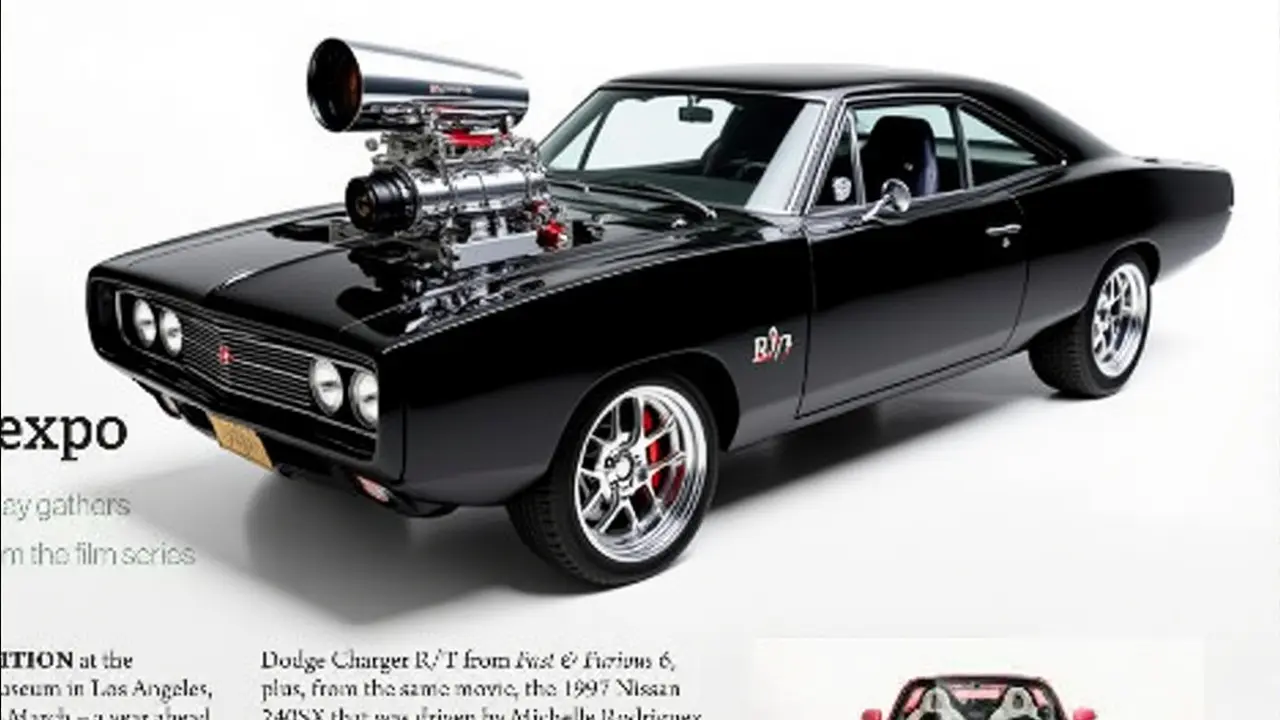
There's something undeniably magnetic about seeing a movie icon parked right in front of you. That feeling is exactly what visitors are experiencing at the Petersen Automotive Museum following the grand opening of its latest display. On March 14, 2026, the doors swung open to reveal A Fast & Furious Legacy: 25 Years of Automotive Icons, an exhibition that promises to run through April 2027. Located at 6060 Wilshire Blvd in the heart of Los Angeles, this isn't just a collection of metal and rubber—it's a deep dive into two decades of cinematic history.
The timing couldn't be more perfect. With the franchise approaching its quarter-century mark, fans have been waiting for a moment like this. Turns out, they weren't disappointed. The exhibit features approximately 23 screen-used vehicles, which is more than ever gathered in one spot before. For regular patrons, this comes with their standard admission ticket ($22), meaning no extra fees to walk through the Propulsion Gallery and see the machines firsthand.
More Than Just Screen Heroes
When you think about the Fast & Furious series, certain cars immediately pop into your head. This show brings those memories to life with startling authenticity. You've got the acid-green 1993 Toyota Supra—the exact "Stunt #3" model from the late Paul Walker's days. It sits alongside the 1995 Mitsubishi Eclipse that Brian O'Conner made famous in the 2001 original.
But the selection goes beyond nostalgia trips. There's the 1968 Dodge Charger R/T driven by Dominic Toretto, loaned directly from Vin Diesel's personal stash. Even Michelle Rodriguez's 1995 Nissan 240SX makes an appearance, a nod to her character Letty Ortiz who remained a core part of the crew through multiple sequels. These aren't replicas built by prop shops later; they are the real deal. Some of them still carry the dents and scratches from filming stunts, adding a layer of grit that shiny showroom models lack.
What really stands out is how the curation tells a story. Devon Aoki's pink Honda S2000 represents that flashy turn in the early 2000s aesthetic, while the 2016 Nissan GT-R Track Edition signals the shift toward high-stakes spy thriller territory later in the franchise. It's almost like driving through a timeline of automotive design wrapped in Hollywood narrative.
Bridging Gaps and Honoring Legends
Beyond the horsepower and nitrous oxide, there's a heavy emotional weight here. We're talking about a legacy that lost one of its brightest stars too soon. The inclusion of vehicles from Paul Walker's estate creates a poignant focal point for many attendees. During the ribbon-cutting ceremony on March 12, 2026, Vin Diesel shared a moment with Meadow Walker, Paul's daughter, via Instagram ahead of the main event.
Vin Diesel, lead actor and executive producer, noted during the pre-opening events that seeing the cars displayed together felt like family gathering. He mentioned being especially excited about the premiere display location at the Petersen. It wasn't just about promoting merchandise or selling tickets. It was about preserving history.
Terry L. Karges, Executive Director, put it bluntly: this marks a defining moment for the institution. She highlighted that for guests, stepping into these galleries is stepping into the world that shaped modern car culture. It connects the dots between street racing scenes depicted on screen and the reality of enthusiast culture on the ground.
To honor that legacy, the exhibition space includes merchandise from the Paul Walker Foundation. This ensures that proceeds and attention help continue his charitable work, blending entertainment memory with ongoing community support.
Visiting Details and What's Next
If you plan to swing by the Miracle Mile district to check this out, expect a crowd. The opening day alone featured a special car meet in the museum's parking structure, styled like the underground gatherings from the films. Enthusiast builds filled the second, third, and fourth floors, proving the fanbase is alive and well.
The exhibition wraps up in April 2027, giving locals and tourists plenty of runway to visit. Meanwhile, the franchise itself isn't stopping. An eleventh installment titled Fast Forever is slated for a 2028 debut, suggesting this museum run coincides with the final chapter of the saga.
Universal Studios is even syncing up their own efforts, launching a themed roller coaster attraction at their theme park to match the momentum. For now, however, the spotlight remains firmly on those 23 engines lined up in Los Angeles. As one attendee put it over coffee outside the entrance: "You can watch the movie, but seeing the actual bumper damage? That changes everything."
Frequently Asked Questions
Is separate admission required for the exhibition?
No, access to the Fast & Furious display is included with regular museum entry tickets. The standard admission fee is currently set at $22 per person, covering all galleries including the Propulsion and Myers Galleries where the cars are housed.
Can I take photos inside the gallery spaces?
Photography policies vary by specific vehicle due to loan conditions from private estates like Paul Walker's. Generally, flash photography is prohibited to protect the finishes. Visitors should look for signage near the displays or ask a staff member for the most current guidelines on camera usage.
Who curated the vehicle collection for this show?
The collection was curated in collaboration with Universal Pictures and involves loans from various private owners. Key contributions came from Vin Diesel's private collection and the Paul Walker estate, coordinated by the Petersen leadership team led by Executive Director Terry L. Karges.
Does the exhibition focus on specific movies?
While vehicles span the entire franchise, the selection places a particular emphasis on the first three films. This includes icons from the 2001 original and 2 Fast 2 Furious, alongside key cars from Furious 7 which was heavily symbolic due to Paul Walker's passing.
The structural integrity of the original Toyota chassis remains a significant topic of discussion among enthusiasts today. Many modifications were applied during production without altering the core frame rails significantly. Observing the actual strut towers reveals a level of reinforcement that modern replicas simply fail to capture accurately. The alignment of the coil-over springs provides insight into how stunts were executed safely. Paint thinness indicates wear patterns consistent with track usage rather than static storage conditions. Brake duct placement on the front corners shows intentional design for heat dissipation management. Wiring looms run through factory channels which suggests minimal deviation from stock configurations. Engine mounts utilize polyurethane compounds that predate the synthetic versions used later. Suspension bushings appear replaced based on visible rubber composition differences. Drivetrain components show signs of high-torque stress typical of forced induction applications. Turbocharger housing bolts match specifications from the mid-nineties manufacturing batches. Intake manifold runners maintain flow characteristics essential for high-rpm performance stability. Exhaust routing maintains equal length principles despite aftermarket modifications present. Cooling system capacity appears uprated to handle prolonged acceleration sequences required by scenes. Fuel rail pressure regulators are identifiable by their mounting position relative to the firewall. These mechanical details validate the authenticity claims made by the museum curators.
i noticed the clear coat peeling on the eclipse is actually pretty accurate to how old film props get stored. sometimes museums try too hard to make them look brand new and lose history. seeing the scratches adds character imo. hope they keep humidity controlled right. the way light hits the green supra is insane. cant wait to see if i catch any subtle details like tire tread wear. props team did amazing work back then honestly. really cool vibe walking through those halls. definitely worth the twenty two bucks entry fee. glad they are preserving this stuff for future generations.
did anyone stop to think why they picked petersen specifically for this reveal. the timing feels too convenient with all the recent security updates downtown. could be a distraction from something bigger going on with universal studios legal issues. maybe the insurance paperwork had some irregularities that got smoothed over here. i bet the police records from filming were redacted before the transfer. its always suspicious when private estates donate items suddenly. probably tax write off disguised as a public service initiative. keep an eye on who controls the gallery access logs. something fishy about the donor list too. feels like they are testing public reaction before a bigger release. trust no ones official statement blindly.
The technical assessment of the drivetrain seems slightly inaccurate regarding the turbo lag mitigation systems installed in 2001. Those specific models utilized wastegate controllers that were calibrated differently than described. It would be prudent to verify the boost pressure readings recorded during the stunt phases. Historical data from the prop master archives confirms a different valve train configuration. Accuracy in terminology matters when discussing vintage performance hardware.
Sure tell me more about your shadow government garage inspection theory next. Realistically the museum just wants to sell tickets and honor dead actors. Sometimes things happen without a mastermind pulling strings behind velvet ropes. Stop trying to find patterns in random parking permit approvals. It is exhausting reading these wild guesses daily.
This franchise completely ruined what street racing was supposed to be about back in the day. Now it is just explosions and flying buildings everywhere instead of pure mechanics. They turned classic Japanese performance cars into bomb disposal units for action movies. Genuine car culture enthusiasts are left cleaning up the mess of these exaggerated spectacles. It promotes dangerous driving habits under the guise of entertainment. The later installments feel like cash grabs devoid of any soul or artistic merit. Authenticity takes a backseat to special effects budgets constantly growing out of control. People stop respecting the machines themselves because of the absurd scenarios depicted. Marketing teams know exactly what they are doing with these displays. They manipulate nostalgia to drive profit margins higher year after year. I refuse to support events built on such blatant commercial exploitation. The original spirit is gone forever now.
American muscle dominance shines through even in a collection heavily featuring imports. The Dodge Charger represents true engineering power compared to those modified small engines. It is important we recognize domestic achievements in automotive history prominently. Hollywood loves our cars more than foreign manufacturers realize anyway. We should be proud to see the Charger displayed alongside imported rivals. Cultural preservation starts with highlighting our own automotive heritage correctly. Museums prioritize what brings revenue yet still favor American icons. Keep pushing for more GM and Ford representation in future exhibits. National pride relies on recognizing superior build quality standards.
Ugh you guys are too sensitive about car brands man. The japanese tuners made the scene iconic in the 90s dont forget that part. American cars r good but lets not act like they r the only thing worth saving ever. Everyone likes different stuff and thats okay to admit openly. Maybe chill out and enjoy the art of the movie history part.
Crowd management seems adequate considering the hype surrounding the opening weekend. Security checkpoints operate efficiently despite the high volume of visitors entering daily. Staff members guide groups well enough to maintain flow through narrow aisles. Parking structures filled quickly indicating high demand from local residents. Noise levels remain controlled inside the main gallery spaces generally. Accessibility options for wheelchairs appear fully functional throughout the venue.
Total waste of gas money to drive out there for plastic toys.
It is fantastic to see the Paul Walker Foundation benefiting directly from these proceeds. Giving back to the community keeps his memory alive in a meaningful way beyond just merchandise sales. Charity work deserves recognition whenever possible in these commercial ventures. Seeing families bring children to learn about safety too is heartwarming. Hopefully more museums follow this model of blending fun with education. Positive vibes everywhere at the entrance during my visit last week.
totall agree with the charity part bro. it helps people who need it most definetely. nice to see stars care about thier community after fame. maybe we should do more of that everywhere. thanks for posting this positive outlook.
Only connoisseurs truly understand the nuance presented in these galleries unfortunately. Common attendees likely walk past without noticing the engineering subtleties involved here. Real appreciation requires deep knowledge of automotive lineage and history. It is tedious watching crowds snap photos without genuine understanding of the machinery. Education materials should target more intellectual engagement rather than simple celebrity worship. High culture demands respect for the craft not just superficial excitement.
That sounds a bit harsh towards regular people enjoying their hobbies though. Not everyone needs to be an engineer to appreciate cool cars on display. Maybe letting others have fun is okay sometimes without needing expert credentials. Enjoyment comes in many forms regardless of knowledge depth. Good for everyone finding something they like in there.
The end date listed as April 2027 contradicts initial press releases stating a shorter window originally. Extension likely occurred due to overwhelming visitor numbers surpassing projections initially set. Cataloging processes took longer than expected causing schedule shifts accordingly. Ticket sales data supports the decision to prolong operations significantly. Financial viability ensures continued access for regional tourists throughout spring season.