Ruto Clashes with Orengo Over June 25 Kenya Shutdown Call
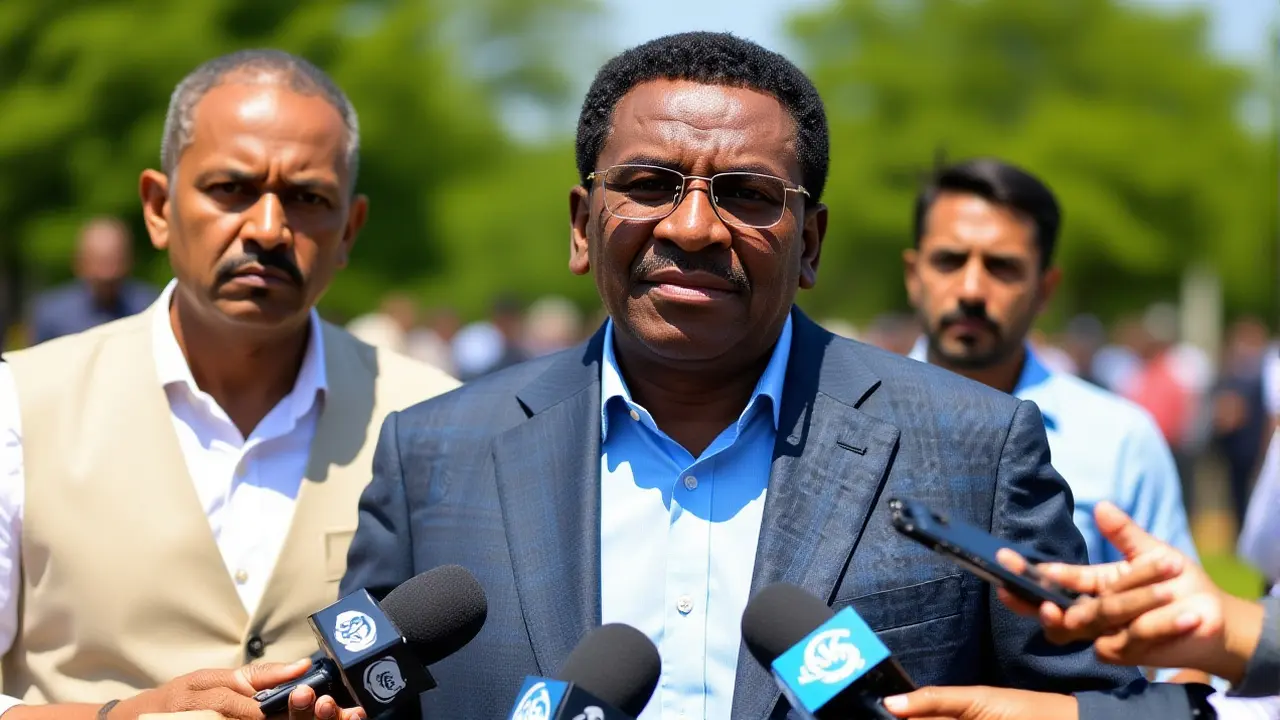
When James Aggrey Bob Orengo, Governor of Siaya County, declared that Kenya would see "no work, no school" on Thursday, 25 June 2026, he didn't just spark a debate—he ignited a direct confrontation with the head of state. The call for a nationwide shutdown, intended to memorialize victims of the deadly June 2024 anti-tax protests, has drawn a sharp rebuke from William Samoei Ruto, President of the Republic of Kenya.
The tension escalated rapidly over the weekend. On 18 June 2026, President Ruto publicly blasted the opposition leader’s proposal, vowing that normalcy would prevail despite the calls for disruption. This isn't just political posturing; it's a clash over who controls the narrative of national memory and public order in a country still healing from the trauma of 2024.
The Shadow of June 2024
To understand why this date matters so much, you have to look back two years. The June 2024 demonstrations were not your typical political rallies. Led largely by young Kenyans—often referred to as "Gen Z"—these protests erupted against new tax measures and broader governance concerns under President Ruto’s administration.
Those protests turned deadly. While exact casualty figures remain a subject of ongoing investigation and debate, the loss of life was undeniable and deeply felt across the nation. For many families, 25 June is now a day of mourning rather than celebration. That’s why James Orengo, a veteran lawyer and senior opposition figure, framed his call not as a strike, but as a memorial. He urged citizens across all 47 counties to observe vigils and treat the day as an unofficial public holiday.
"Parallel vigils and commemorations will take place across all 47 counties. Mark your calendars: June 25th will be observed as a Public Holiday. No work, no school," Orengo stated in a widely circulated message.
Ruto’s Hard Line on Order
But wait—here’s where the government draws a hard line. President Ruto didn’t mince words. In remarks captured by multiple outlets including Tuko.co.ke and YouTube news reports, he dismissed the shutdown call entirely. His message was clear: chaos will not be permitted under the guise of protest.
"Children will go to school, workers will go to work, and businesses will open," Ruto asserted. He emphasized that the state would safeguard the rights of those wishing to continue their daily activities. It’s a classic standoff: one side sees a moral imperative to remember the dead; the other sees a threat to economic stability and public safety.
The stakes are high. If large numbers of workers and students stay home, the economic impact could be significant. But if the government forces attendance through intimidation or heavy-handed policing, it risks reigniting the very anger that fueled the 2024 unrest.
The Interior Ministry’s Warning
Adding weight to the presidential stance, Kithure Kindiki, Cabinet Secretary for Interior and National Administration, issued a stern warning. He acknowledged the constitutional right to peaceful demonstration but drew a bright red line at violence.
Kindiki specifically mentioned weapons like machetes and stones, as well as acts like burning police stations or looting businesses. "Any person... who would be in the streets with a machete, a stone, matchsticks to burn police stations or courts... would meet the full force of the law," he said. This distinction between peaceful mourning and criminal activity is crucial. It suggests the government plans to tolerate vigils but crush any attempt to paralyze the country.
A United Opposition Front?
Interestingly, Orengo isn’t alone in this push. Reports from NTV Kenya indicate that other prominent opposition figures have aligned themselves with the shutdown call. Rigathi Gachagua, former Deputy President and current opposition leader, alongside Kalonzo Musyoka, leader of the Wiper Democratic Movement – Kenya, have also urged Kenyans to boycott work on 25 June.
This coalition broadens the appeal beyond Orengo’s base. Gachagua brings influence from the central government’s former leadership, while Musyoka taps into deep regional support in western Kenya. Together, they present a united front challenging the ruling party’s authority to dictate how the nation remembers its recent past.
What Happens Next?
As we approach 25 June, the atmosphere in Nairobi and other major cities is tense. Organizers plan to march to Parliament buildings and lay flowers at sites associated with the 2024 protests. These are symbolic acts, meant to honor the fallen without necessarily disrupting traffic or commerce—unless, of course, the sheer volume of participants makes movement impossible.
The real test will be on the ground. Will schools close? Will offices empty out? Or will security forces ensure that business continues as usual? The answer depends on how many Kenyans choose to heed Orengo’s call versus Ruto’s directive.
Frequently Asked Questions
Why is James Orengo calling for a shutdown on June 25, 2026?
Orengo is calling for the shutdown to commemorate the victims of the deadly anti-tax protests that occurred in June 2024. He views the date as a day of reflection and mourning, urging Kenyans to pause work and school to honor those who lost their lives during the Gen Z-led demonstrations against the government's tax policies.
What is President William Ruto’s response to the shutdown call?
President Ruto strongly rejected the call for a total shutdown. He vowed that normal activities would continue, insisting that children should attend school and workers should report to their jobs. He warned against lawlessness and chaos, asserting that the government would protect the rights of citizens to conduct their daily business uninterrupted.
Who else supports the June 25 boycott besides James Orengo?
Other key opposition leaders have joined the call. Rigathi Gachagua, the former Deputy President, and Kalonzo Musyoka, leader of the Wiper Democratic Movement – Kenya, have also urged Kenyans to boycott work on June 25. Their involvement signals a broader political alignment against the government’s stance on the commemoration.
What did Interior Cabinet Secretary Kithure Kindiki say about the protests?
Kithure Kindiki affirmed the constitutional right to peaceful, unarmed demonstrations. However, he issued a severe warning that any violent conduct, such as carrying weapons like machetes or engaging in looting and arson, would be met with the full force of the law. He emphasized that the constitution does not protect criminal acts disguised as protest.
Are there specific plans for events on June 25, 2026?
Yes, organizers plan parallel vigils and commemorations across all 47 counties. Specific events include marches to Parliament buildings in Nairobi and laying flowers at locations linked to the 2024 protests. These events are designed to be memorials, though the scale of participation may inadvertently lead to disruptions in transport and commerce.