Ruto Defends 750km Isiolo-Mandera Road Project Against Online Mockery
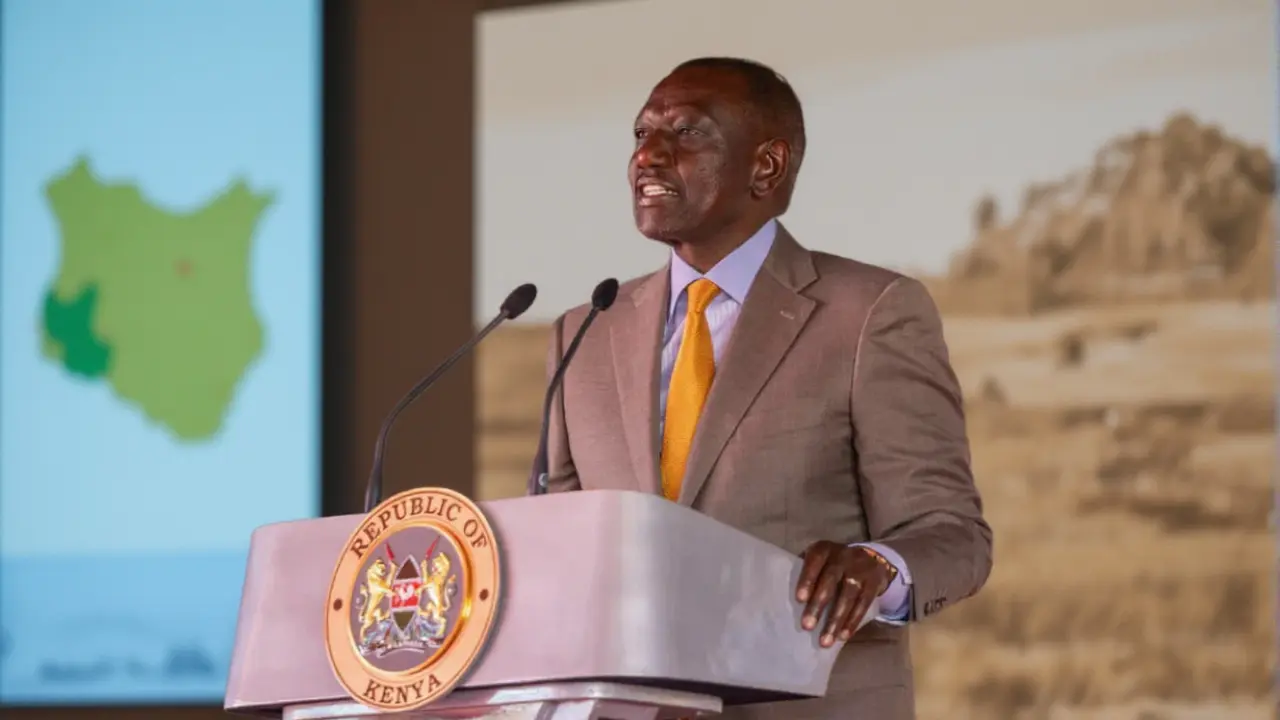
When William Ruto, the President of Kenya took the podium on February 19, 2025, he wasn't just talking about solar energy. He was fighting a war of perception. The President lashed out at Kenyans who have spent the last few weeks turning his pledge to build a 750-kilometer road from Isiolo to Mandera into a viral punchline. For the administration, it's a matter of regional equity; for the internet, it was an invitation for memes.
The friction reached a boiling point during a ceremony in Nairobi, where the state was launching the Off-Grid Solar Access Project. While the event was meant to celebrate energy contracts, Ruto spent a significant portion of his address addressing the "doubters." He didn't mince words, claiming that critics view his infrastructure promises as a joke—a sentiment that has echoed across X (formerly Twitter) and TikTok, where the youth have been particularly vocal about the feasibility of such a massive undertaking in the challenging terrain of the North Eastern region.
Here's the thing: Northern Kenya has historically been the "forgotten child" of national budgeting. The stretch from Isiolo through Wajir to Mandera is more than just a line on a map; it's a lifeline for communities that have struggled with isolation for decades. "I'm committed to delivering that 750-kilometre of road because, for a very long time, we have left Northern Kenya behind," Ruto declared, his tone shifting from frustration to a plea for national seriousness.
The Logistics of the Isiolo-Mandera Corridor
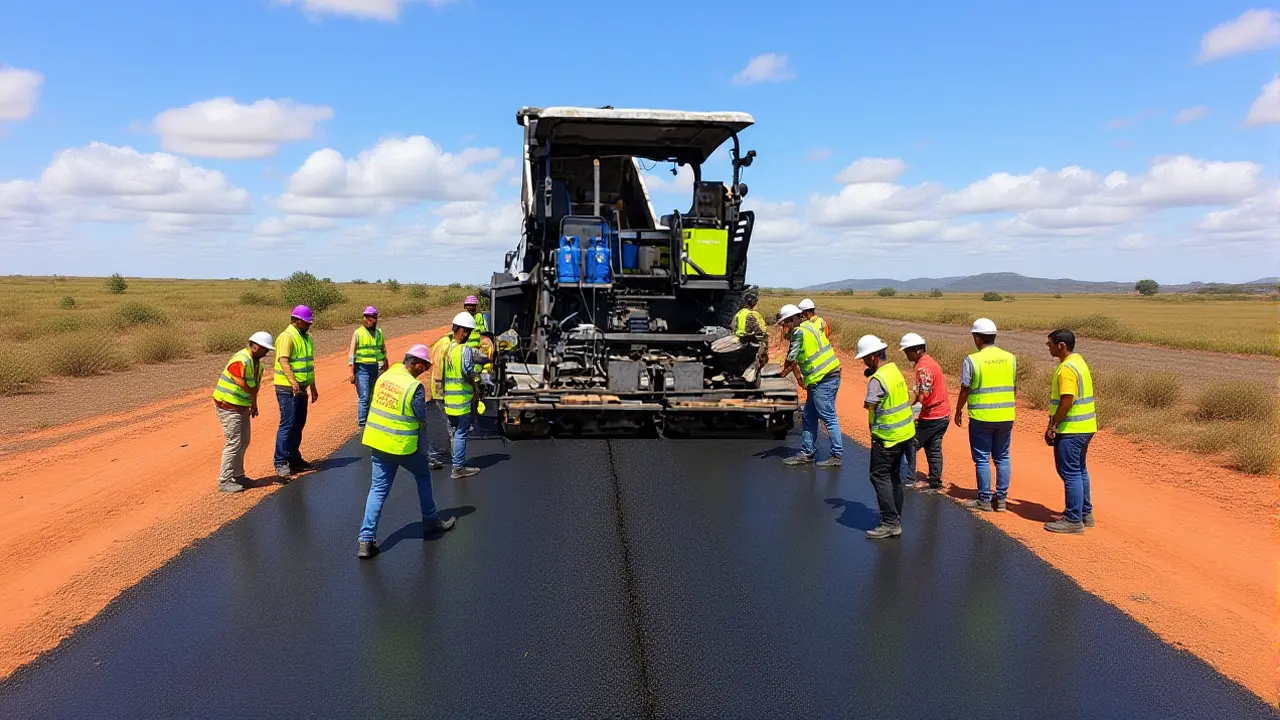
But wait, how does a project of this scale actually get done? The government is betting on a multi-pronged approach. To silence the skeptics, the administration revealed that the Isiolo-Mandera road is not just a plan on a piece of paper. According to the President, there are already seven different contractors on the ground, dividing the massive stretch into manageable segments to accelerate progress.
The timeline is where the stakes get even higher. Professor Kithure Kindiki, the Deputy President, stepped in to provide the hard numbers. He stated that the road will be completely finished in under two and a half years. To put that in perspective, building 750km of high-quality road in roughly 30 months requires an aggressive pace of nearly 25km per month across seven different teams. It's an ambitious goal, to say the least.
The project aims to solve several critical issues:
- Drastically reducing travel time between the coast/central highlands and the border towns.
- Lowering the cost of transporting essential goods and medical supplies to Mandera.
- Integrating the North Eastern economy with the rest of the national market.
Social Media vs. State Reality
Interestingly, the backlash didn't come from political opponents in parliament, but from the digital sphere. The "meme-ification" of the project highlights a growing gap between the government's grand narratives and a youth population that has grown cynical after seeing previous infrastructure projects stall or succumb to budget overruns. For many young Kenyans, a 750km road promised in a single visit sounds too good to be true.
Ruto's reaction—calling the mockery a disregard for "matters of life and death"—shows how deeply the administration feels about its legacy in the North. The President believes that mocking the project isn't just a critique of him, but an insult to the people of Mandera and Wajir who desperately need the connectivity. (It's a classic tension between digital satire and the visceral needs of marginalized regions.)
Broad Impact and Regional Equity
If successful, this road would be one of the most significant pieces of infrastructure in East Africa's interior. By connecting the interior of the North Eastern region to the main arterial networks, the government hopes to trigger a surge in cross-border trade with Ethiopia and Somalia. This isn't just about asphalt; it's about security and state presence in areas where the government has historically been invisible.
Experts suggest that the ripple effects could be massive. Better roads usually lead to more investment in livestock markets and improved access to healthcare. However, the challenge remains the environment. The North Eastern region is prone to extreme heat and flash floods, which can wash away substandard roads in a single season. The success of the seven contractors will depend on whether they build for the long term or simply for a quick ribbon-cutting ceremony.
What to Watch in the Coming Months
The world—and specifically the Kenyan public—will be watching for tangible milestones. Since the project is "already underway," the next few months should see the emergence of clear grading and paving in the Wajir sector. If the government can provide transparent, monthly progress updates, they might actually win back the skeptics.
Furthermore, the funding mechanism remains a point of curiosity. While the President emphasized his commitment, the specific financial arrangements—whether through public-private partnerships or sovereign loans—will determine if the 2.5-year deadline is a reality or another political aspiration.
Frequently Asked Questions
What is the exact length and route of the new road?
The road spans 750 kilometers, starting from Isiolo and stretching through Wajir County, eventually terminating in Mandera. It is designed to connect the North Eastern region of Kenya to the rest of the national transport network.
When is the Isiolo-Mandera road expected to be completed?
Deputy President Professor Kithure Kindiki has stated that the project will be completed in under two and a half years from the start of construction, emphasizing an accelerated timeline to benefit the region quickly.
Who is currently working on the construction?
President William Ruto confirmed that there are currently seven different contractors on the ground. This multi-contractor approach is intended to ensure that different sections of the 750km stretch are worked on simultaneously to meet the deadline.
Why did the project become a subject of mockery online?
The project became a viral topic among Kenya's youth population due to the sheer scale of the promise and a general skepticism toward large-scale government pledges. This led to a wave of memes and jokes on social media, which the President addressed during his February 19 speech.