Ruto Government Crackdown: 16 Dead as Gen Z Anniversary Protests Rock Kenya
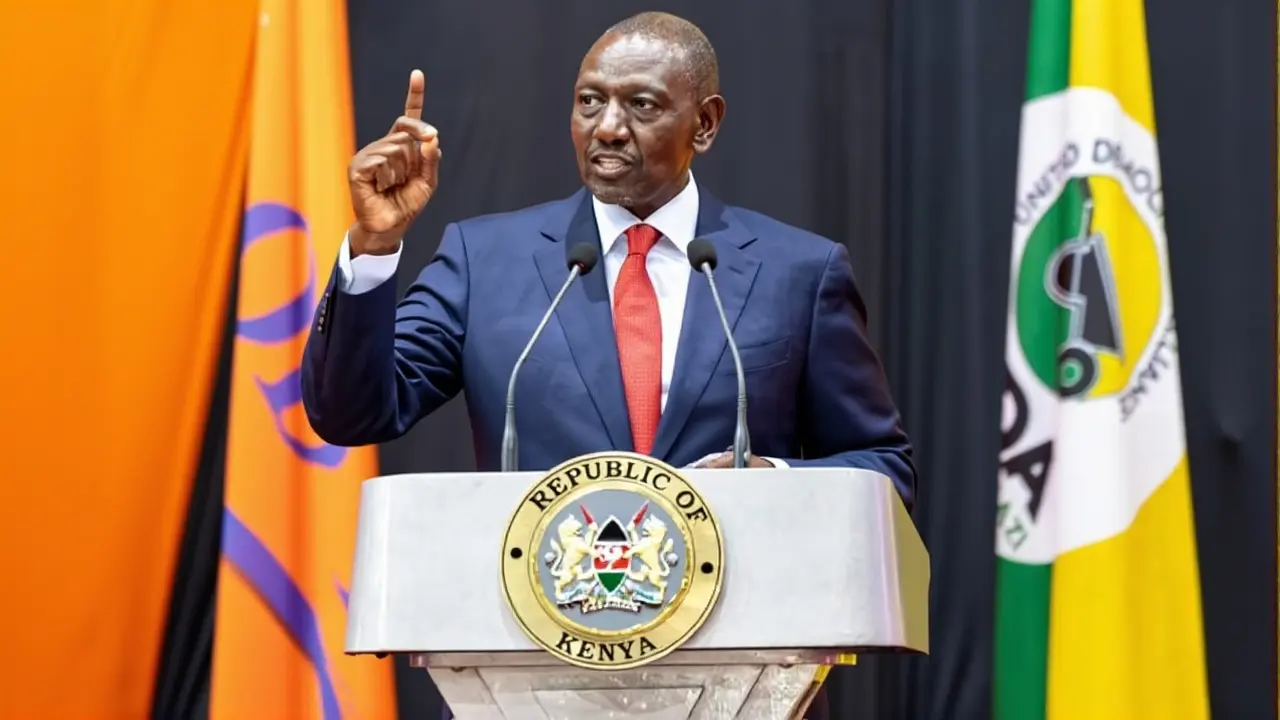
Blood stained the streets of Kenya on Wednesday, June 25, 2025, as William Ruto, President of Kenya, unleashed a violent security crackdown on hundreds of thousands of protesters. Marking the one-year anniversary of the historic Gen Z uprising, demonstrators flooded at least 27 of the country's 47 counties to voice their fury over austerity and authoritarianism. The day turned into a nightmare as state forces deployed live ammunition and water cannons, leaving at least 16 people dead and over 400 injured.
Here's the thing: this wasn't just another political rally. It was a coordinated, youth-led surge that bypassed traditional power structures. While the Kenya National Commission on Human Rights (KNCHR) scrambled to document the casualties, the streets of major urban centers became battlegrounds. One of the confirmed dead was a secondary school student, a chilling reminder of how deep this generational divide has cut.
A Nation Paralyzed by Youth Rage
The scale of the unrest was staggering. From the central business districts of Nairobi to the heart of Eldoret, the country essentially ground to a halt. Banks shuttered their doors, markets went silent, and businesses ceased operations as a wave of anger swept through the population. Interestingly, Eldoret—once a fortress of support for Ruto during the 2022 elections—saw youth waving Kenyan flags and chanting slogans demanding the president's resignation.
The movement's DNA is entirely digital. Without a single trade union or established political party leading the charge, the protests were fueled by WhatsApp, Telegram, and X. Hashtags like #RutoMustGo and #SiriNiNumbers didn't just trend; they acted as tactical maps for a decentralized army of citizens who had finally found common ground across tribal and regional lines. For once, the old divisions that usually plague Kenyan politics seemed irrelevant compared to the shared pain of a soaring cost of living.
- Casualties: 16 confirmed dead, 400+ injured.
- Reach: Active protests in 27 out of 47 counties.
- Tactics: Use of live ammunition, teargas, and state-funded "goons."
- Communication: Total shutdown of KTN and NTV live signals by the state.
The State's Playbook: Blackouts and Blockades
The government didn't just react; they planned. Two days earlier, on June 23, Isaac Mwaura, Government Spokesperson, gave a stark warning: "There will be no demonstrations." Turns out, the state was already mobilizing plainclothes officers and hired thugs to sabotage the crowds.
As the chaos peaked, the Communications Authority of Kenya stepped in to blind the public. Live television and radio coverage were axed, with signals for major broadcasters like KTN and NTV disabled. Internet speeds plummeted, leaving many in the dark about where the violence was escalating. To keep the capital secure, Kenya Railways suspended all commuter services, effectively attempting to cage the city of Nairobi.
The twist? While his citizens were fighting for their lives in the streets, President Ruto vanished. He retreated to the coast, claiming he needed to attend the funeral of the Kilifi Governor's father. Critics were quick to point out that the deceased was a politically irrelevant figure, suggesting the trip was a strategic escape from the capital. Oddly enough, he wasn't alone; he was flanked by Senate Speaker Amason Kingi and the billionaire former Prime Minister Raila Odinga.
International Outcry and the 'Shadow' Police
The brutality didn't go unnoticed globally. In a rare joint move, the embassies of the United States, United Kingdom, Germany, and Canada issued a scathing statement. They didn't just call for peace; they specifically condemned the use of unmarked vehicles and plainclothes officers. The diplomats argued that employing hired goons to attack peaceful protesters erodes any remaining public trust in the state.
Lawmakers in Nairobi were so terrified of a repeat of the June 2024 Parliament storming that many fled the buildings entirely. The fear was palpable—the government knows that when the youth stop fearing the police, the regime's stability begins to crumble. The sheer determination of the crowd forced a temporary paralysis of the legislative arm of government.
A Year of Unresolved Anger
To understand why this happened, we have to look back at June 25, 2024. That was the day the "Gen Z" movement truly announced itself by breaching the halls of Parliament. It was a reaction to austerity measures and a perceived lack of empathy from a government that seemed more interested in debt repayment to foreign creditors than the hunger of its own people.
Since then, the tension has only simmered. The protesters aren't asking for a new political party; they're asking for a functional state. The recurring themes of police brutality and a soaring cost of living have created a volatile cocktail. By attempting to suppress the movement through blood and internet blackouts, the Ruto administration may have inadvertently solidified a movement that no longer believes in the old way of doing politics.
Frequently Asked Questions
Who organized the June 25, 2025 protests?
The protests were organically organized by Kenyan youth, primarily Gen Z, using social media platforms such as X (formerly Twitter), WhatsApp, and Telegram. Unlike traditional protests, there was no involvement from established political parties or trade unions, making the movement decentralized and harder for the government to negotiate with or dismantle.
What was the government's response to the demonstrations?
The Ruto government employed a multi-pronged suppression strategy. This included the use of live ammunition, teargas, and water cannons by security forces, as well as the deployment of plainclothes "goons." Additionally, the state disabled live TV signals for KTN and NTV and throttled internet services to hinder communication among protesters.
How many people were affected by the violence?
According to the Kenya National Commission on Human Rights, at least 16 people were killed by gunshot wounds, including a secondary school student. Over 400 people were injured across 27 counties. The death toll is expected to rise as more reports emerge from rural and urban centers.
Why did the international community intervene?
Embassies from the U.S., U.K., Germany, and Canada issued a joint statement because of the documented use of unmarked vehicles and hired operatives to attack civilians. They emphasized that the right to peaceful assembly is a fundamental human right and expressed concern that these tactics undermine the rule of law in Kenya.
What is the significance of the date June 25?
June 25 marks the anniversary of the 2024 uprising where protesters stormed the Kenyan Parliament. This event served as a catalyst for the youth movement, symbolizing their refusal to accept austerity measures and police brutality, making the 2025 date a powerful symbol of resistance.
The sheer incompetence of the administrative machinery in Kenya is staggering. One would think that a government possessing even a modicum of strategic foresight would understand that digital-native generations cannot be quelled by archaic methods like signal jamming. It is quite typical for these regimes to rely on brute force when they lack the intellectual capacity to engage in genuine policy reform. Truly pathetic.
ruto is just runnin away while kids r dying. so messed up honestly
Typical government stuff. Same old story 🙄
OH MY GOD!! Can we talk about the absolute AUDACITY of disappearing to a funeral while the city is literally on fire?? Like, the drama is unreal! 😱 I can't even deal with how cowardly this is!
It's quite fascinating from a sociological perspective how the movement has managed to completely bypass the traditional 'big man' politics of Kenya, especially since they've managed to leverage encrypted communication tools like Telegram to maintain a decentralized command structure that makes it nearly impossible for the state to find a single 'leader' to arrest or bribe, which is usually the go-to move for these types of administrations. If you look at the historical precedent of youth-led movements in the region, the shift from tribal alliances to a class-based or generational alliance is a massive indicator of a systemic shift in how political power is perceived and contested in the 21st century, and it's likely that the state's reliance on 'goons' only validates the protesters' claims of authoritarianism further, creating a feedback loop of violence and resentment that will be incredibly difficult to break without a complete overhaul of the current governance model.
The state's attempt at a total communications blackout is a classic asymmetric warfare tactic to disrupt the OODA loop of the protesters. By throttling bandwidth and cutting live signals, they're trying to induce informational entropy. However, the resilience of the mesh-like network they've built suggests a high level of technical literacy among Gen Z.
Really feeling for those families today. A school student... that's just too much 😔
Keep pushing forward! The power of the youth is unstoppable when they stand together. History shows that the people always win in the end! Stay strong Kenya!
Oh sure, because sending in 'plainclothes officers' to beat up students is such a great way to build trust in the government. Brilliant strategy there. 🙄
Stay safe everyone!! ✊🙏 Hope things get bettr soon for the peopl
Absolute madness. The government is literally playing hide and seek while the country burns down. I've seen some wild things, but fleeing to the coast for a random funeral is a new level of delusion!
I wonder if the international pressure will actually lead to any real change or if it's just a symbolic gesture. Usually, these statements don't mean much unless there are sanctions involved.
Thinking of all the brave souls out there 🕊️❤️
It is my sincere hope that the citizens of Kenya will find a way to achieve their goals through peaceful means and that the government will listen to the needs of its people.