Switzerland Ends 88-Year World Cup Knockout Drought With 2-0 Win Over Algeria
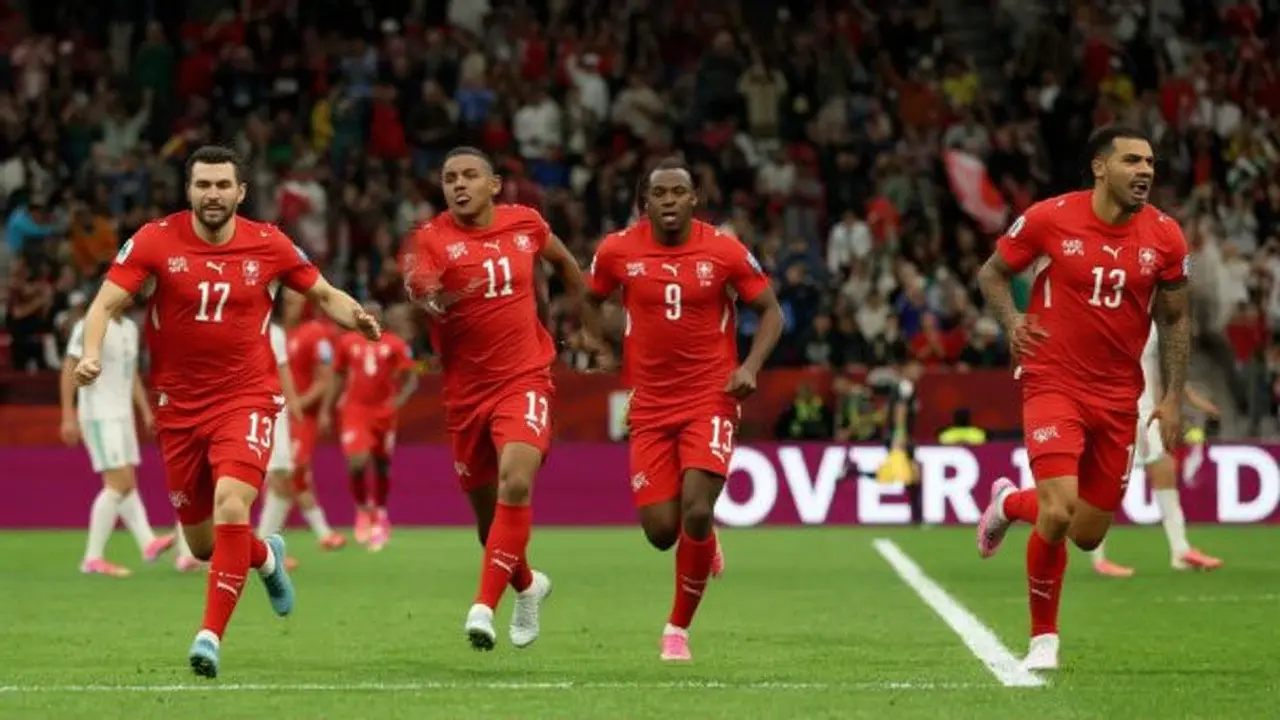
It’s been 88 years. Eighty-eight long years of heartbreak, near-misses, and early exits for the Swiss national team in World Cup knockout stages. Then came Thursday night in Vancouver, and Murat Yakin, head coach of the Switzerland national football team, finally broke the curse.
In a controlled, almost clinical performance at BC Place, Switzerland defeated Algeria 2-0 to advance to the Round of 16 of the FIFA World Cup 2026Vancouver. It wasn’t just a win; it was a statement. The Nati (as they’re known locally) looked comfortable, composed, and utterly professional against an Algerian side that simply couldn’t find a way through.
The Goals That Sealed History
The match started with urgency. Just ten minutes in, Freiburg winger Johan Manzambi surged down the left flank, beating his marker before delivering a precise cutback. Rennes forward Breel Embolo was there to tap it home, giving Switzerland an early lead and setting the tone for the evening.
Algeria tried to respond, but the Swiss defense held firm. Then, just 46 seconds into the second half, Nottingham Forest winger Dan Ndoye doubled the advantage. He picked up a sloppy turnover from the Algerians and threaded a low shot through a crowded penalty area, leaving goalkeeper Luca Zidane with no chance.
That goal effectively ended any hope of a comeback. As one pundit put it, “The Swiss outclassed them.”
Breaking the Curse: A Historic Milestone
This victory marks Switzerland’s first-ever knockout-stage win at the World Cup since 1938. Back then, they beat Germany 4-2 in a replay. Since? Nothing. Seven consecutive knockout matches without a single win. The drought is over.
“It’s not just about advancing,” said Yakin after the match. “It’s about proving we belong on this stage. We’ve waited a lifetime for this moment.”
The win also extends Switzerland’s remarkable consistency: they have now reached the Round of 16 in four consecutive World Cups. And with three straight victories in the 2026 tournament—a first in their history—they’re looking like genuine contenders.
Tactical Masterclass Under Yakin
Murat Yakin’s tactical setup was widely praised as a “masterclass.” His side dominated possession, created high-quality chances (2.52 expected goals vs. Algeria’s 0.73), and never panicked under pressure. Defender Zakaria shone at right-back, providing width and defensive stability, while Manzambi terrorized the Algerian left side all game.
Yakin’s ability to manage tempo—switching between patient buildup and rapid transitions—was key. When Algeria pushed forward, Switzerland hit them on the break. When they sat back, the Swiss probed patiently until gaps appeared.
What’s Next for Switzerland?
Now comes the real test. Switzerland will face the winner of Colombia vs. Ghana in the Round of 16, scheduled for July 7, 2026, again at BC Place in Vancouver. It’s a tough matchup, but if this performance is any indication, the Swiss are ready.
“We’re not thinking about who we’ll play next,” Yakin said. “We’re celebrating tonight, then we prepare. One step at a time.”
Frequently Asked Questions
Who scored for Switzerland in the 2-0 win over Algeria?
Breel Embolo opened the scoring in the 10th minute with a tap-in from a Johan Manzambi cross. Dan Ndoye added the second goal in the 46th minute, just after halftime, with a composed finish through a crowded box.
Why is this win historically significant for Switzerland?
This is Switzerland’s first World Cup knockout-stage victory since 1938, ending an 88-year drought. It also marks their fourth consecutive appearance in the Round of 16 and their first three-match winning streak at a World Cup.
Who does Switzerland play next in the Round of 16?
Switzerland will face the winner of the Colombia vs. Ghana match. The game is scheduled for July 7, 2026, at BC Place in Vancouver, continuing the tournament’s Canadian leg.
How did Murat Yakin’s tactics contribute to the win?
Yakin’s side controlled possession, exploited wide areas through Manzambi, and capitalized on Algerian errors. Their 2.52 xG compared to Algeria’s 0.73 shows they created higher-quality chances consistently throughout the match.