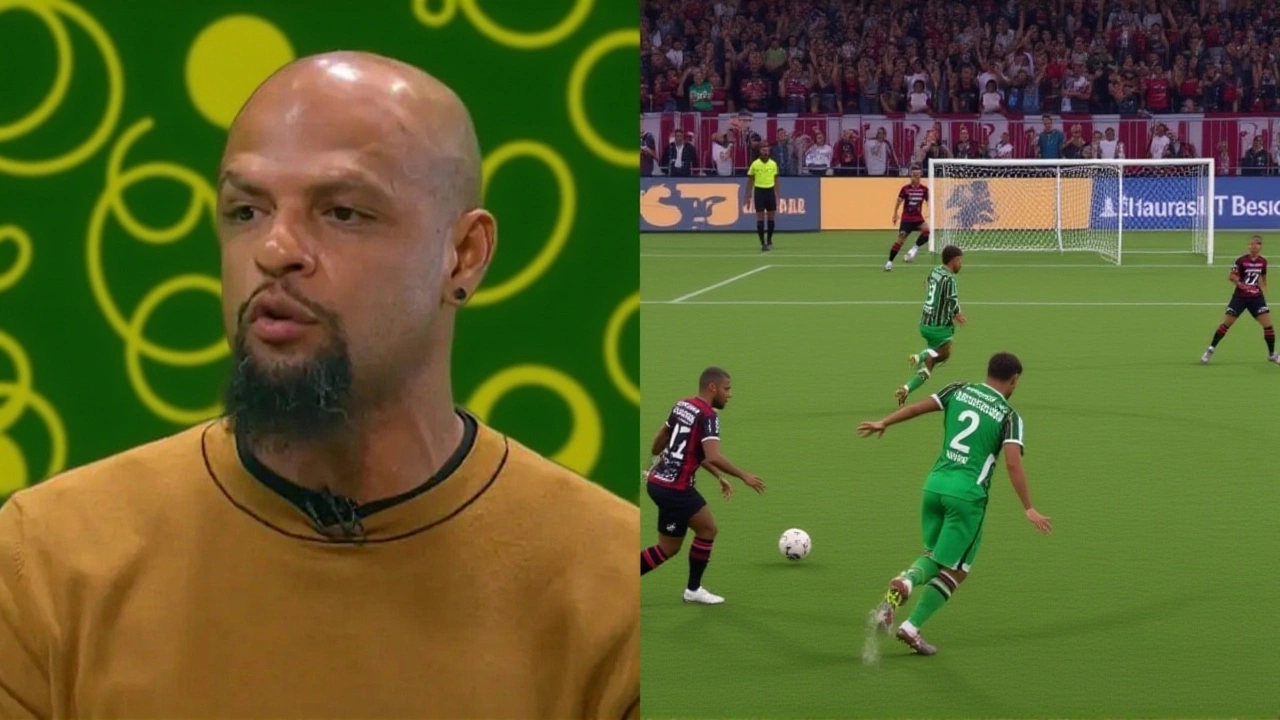
Felipe Melo: The Tough Midfielder Who Shaped Italian and Brazilian Football
Felipe Melo, a combative Brazilian defensive midfielder known for his intensity, leadership, and no-nonsense style. Also known as "The Warrior", he played over 600 professional matches across Brazil, Italy, and Turkey, leaving a mark on clubs like Juventus, Inter Milan, and Galatasaray. His career wasn’t about flashy passes or goals—it was about stopping opponents, winning duels, and raising the temperature of every match.
Felipe Melo’s name often comes up when people talk about Italian football’s physicality. He didn’t just play in Serie A—he embodied it. At Juventus, he was the enforcer behind Pirlo, the guy who broke up attacks before they started. At Inter, he helped them win the 2010 Champions League, playing through injury and controversy. His time in Turkey with Galatasaray turned him into a cult hero, where he lifted two league titles and became the heartbeat of their midfield. He wasn’t always loved—he got red cards, he shouted, he challenged referees—but fans respected him because he gave everything.
His international career with the Brazilian football national team was just as intense. He played in the 2010 World Cup, where his infamous headbutt on Marco Materazzi in the third-place playoff became one of the most talked-about moments in tournament history. But behind that moment was a player who carried Brazil’s midfield for years, often under pressure and without the spotlight. Even after retiring, his influence lingers. Young midfielders in Brazil still study his positioning. Coaches in Italy still praise his work rate. He didn’t need to score to matter.
What you’ll find here isn’t just old highlights or past stats. It’s the real-time connection between Felipe Melo’s legacy and today’s game. From match reports that reference his style in current defenders, to stories about how his discipline shaped modern midfield roles, these articles show why he still matters. Whether it’s a young Brazilian midfielder copying his tackles or an Italian club citing his leadership as a model, his shadow is still long. This collection tracks how his name lives on—in tactics, in debates, and in the grit of the game he helped define.