Why Eid al-Fitr is the 'Festival of Breaking Fast': Global Traditions Explained
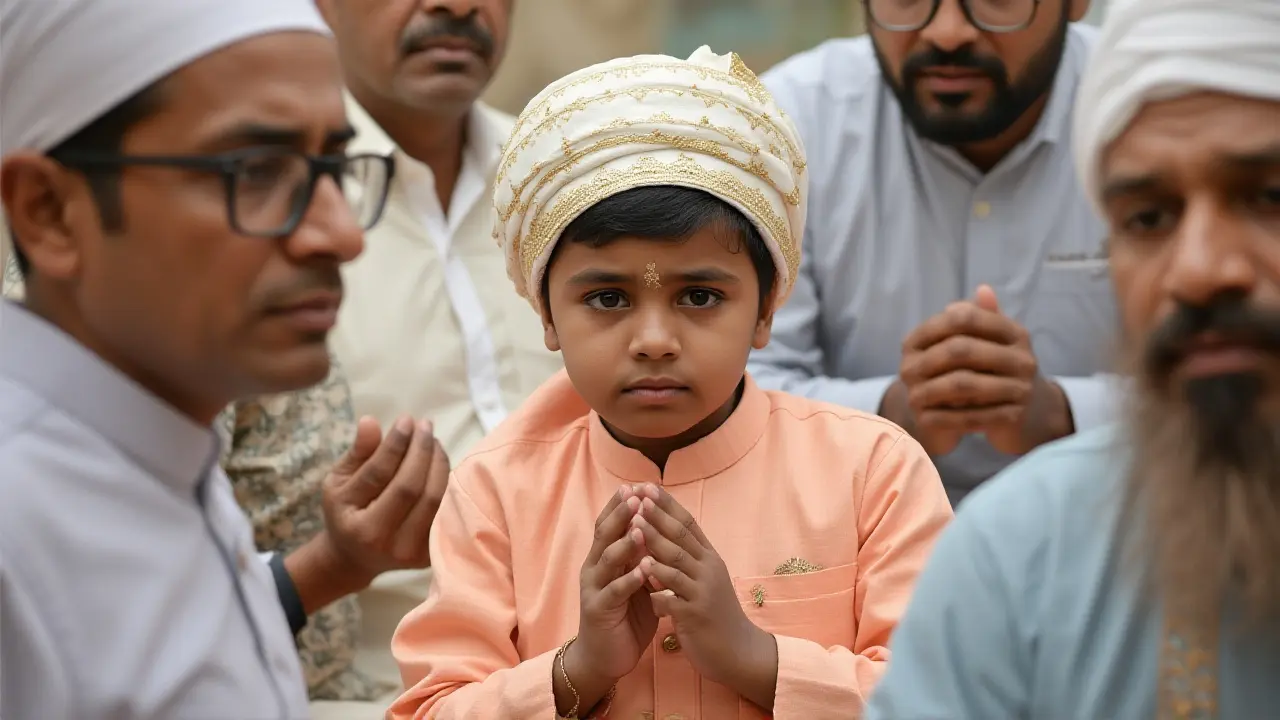
For over 1.8 billion Muslims worldwide, Eid al-Fitrthe global Muslim community isn't just a holiday; it’s a collective exhale. After thirty days of fasting from dawn to sunset during Ramadan, the arrival of this festival marks the end of spiritual discipline and the beginning of celebration. But why is it called the "Festival of Breaking Fast"? The answer lies in its Arabic roots: *Eid* means celebration or festival, while *al-Fitr* translates directly to "breaking the fast." It’s a moment where restraint gives way to abundance.
The timing of this joyous occasion is precise yet deeply connected to nature. Unlike Gregorian holidays fixed to specific dates, Eid al-Fitr begins on the first day of Shawwal, the tenth month of the Islamic lunar calendar. This shift happens only after the sighting of the crescent moon following the twenty-ninth day of Ramadan. If clouds obscure the sky or the western horizon remains too bright, the community waits another day. This reliance on visual confirmation keeps the tradition grounded in observation rather than calculation alone.
The Rituals That Unite Communities
The morning of Eid starts not with food, but with faith. Before breaking their fast for good that day, Muslims gather for a special communal prayer known as Salat al-Eid. These prayers are distinct from daily services, often held in open fields or large halls to accommodate massive crowds. The ritual includes two *rakats* (units of prayer) featuring six additional *Takbirs*—raising hands to the ears while reciting "Allāhu ʾAkbar" (God is the greatest). In Shia traditions, these declarations follow a slightly different pattern, emphasizing unity within diversity.
But here’s the thing: the prayer is just the prelude. The real heart of Eid beats in the streets afterward. Families don new clothes, visit graves of loved ones, and most importantly, feast. After a month of eating only before dawn (*suhoor*) and after sunset (*iftar*), the tables are set with sweets, meats, and traditional dishes. This culinary explosion is why the holiday earns nicknames like "Sweet Eid" or "Sugar Feast" across different cultures.
A Global Celebration With Local Flavors
While the core message is universal, the local flavor varies wildly depending on where you are. In Pakistan, it’s affectionately called *Chhotī Īd* (Lesser Eid) or *Mīṭhī Īd* (Sweet Eid), reflecting both its scale compared to Eid al-Adha and its sugary treats. Over in Bangladesh, it’s known as *Rôjār īd* (Eid of Fasting), highlighting the journey that led to this moment. Meanwhile, in Turkey, you’ll hear *Şeker Bayramı* (Bayram of Sweets), a name that says it all about the dessert-heavy menus.
In Southeast Asia, particularly in Malaysia, Singapore, and Brunei, the celebration is referred to as *Hari Raya Aidilfitri*. Here, the concept of *Maaf Zahir Batin* (seeking forgiveness outwardly and inwardly) takes center stage. People visit elders’ homes, kneel to touch their feet, and ask for pardon—a poignant reminder that spiritual growth requires humility. In the Philippines, Muslim communities call it *Hariraya*, blending indigenous linguistic roots with Islamic tradition.
The Obligation of Charity: Zakat al-Fitr
You can’t talk about Eid without mentioning charity. In fact, it’s mandatory. Before the Eid prayer, every Muslim household must pay Zakat al-Fitr. This isn’t optional goodwill; it’s a religious obligation designed to ensure that even the poorest members of society can partake in the festivities. Whether it’s providing a meal, clothing, or cash, the goal is simple: no one should feel excluded from the joy because of financial hardship.
This practice transforms Eid from a personal victory into a communal triumph. It reinforces the idea that the end of Ramadan isn’t just about individual piety but about social cohesion. When the wealthy give to the needy, the gap between them narrows, if only for a day. As noted by the Palestinian Children's Relief Fund, this act ensures that the "festival" truly belongs to everyone.
What Happens Next?
Eid typically lasts for three days, though some countries extend the public holiday longer. During this time, mosques host carnivals, bazaars pop up with games for children, and families exchange gifts. The greeting "Eid Mubarak" (Blessed Eid) is exchanged warmly, signaling peace and shared happiness. For many, it’s also a time to reflect on the lessons learned during Ramadan—patience, empathy, and gratitude—and carry them forward into the rest of the year.
As the sun sets on the third day, the celebrations wind down. But the impact lingers. The bonds strengthened, the charities fulfilled, and the memories created serve as a foundation for the months ahead. Until next Ramadan, the spirit of Eid remains a beacon of hope and unity in a complex world.
Frequently Asked Questions
Why is Eid al-Fitr called the "Festival of Breaking Fast"?
The name comes from Arabic: "Eid" means festival or celebration, and "al-Fitr" means breaking the fast. It marks the end of Ramadan, the holy month where Muslims abstain from food and drink from dawn to sunset. The holiday celebrates the completion of this spiritual discipline and the return to normal eating habits.
How do Muslims know when Eid al-Fitr begins?
Eid al-Fitr begins on the first day of Shawwal, the tenth month of the Islamic lunar calendar. The start date depends on the sighting of the crescent moon after the twenty-ninth day of Ramadan. If the moon is visible, Eid begins the next day. If clouds block the view, the fast continues for one more day until the moon is sighted.
What is Zakat al-Fitr and who pays it?
Zakat al-Fitr is a mandatory charitable donation paid by every Muslim household before the Eid prayer. It is intended to help the poor and needy participate in the celebrations by providing them with food or money. The amount is usually small per person but collectively ensures that no one goes hungry during the festival.
How does Eid al-Fitr differ from Eid al-Adha?
Eid al-Fitr marks the end of Ramadan and focuses on gratitude for completing the fast. It is often called the "Lesser Eid." Eid al-Adha, or the "Greater Eid," commemorates the willingness of Prophet Ibrahim to sacrifice his son and involves the ritual slaughter of an animal. While both involve prayer and charity, Eid al-Adha has deeper sacrificial symbolism.
What are some common ways people celebrate Eid al-Fitr?
Celebrations include attending special communal prayers (Salat al-Eid), wearing new or clean clothes, visiting family and friends, exchanging gifts, and sharing elaborate meals. Many also visit the graves of relatives to pray for them. In many cultures, children receive money or gifts, and neighborhoods host fairs or bazaars with games and rides.