World Cup 2026 Friendlies: Global Schedule Kicks Off March 28
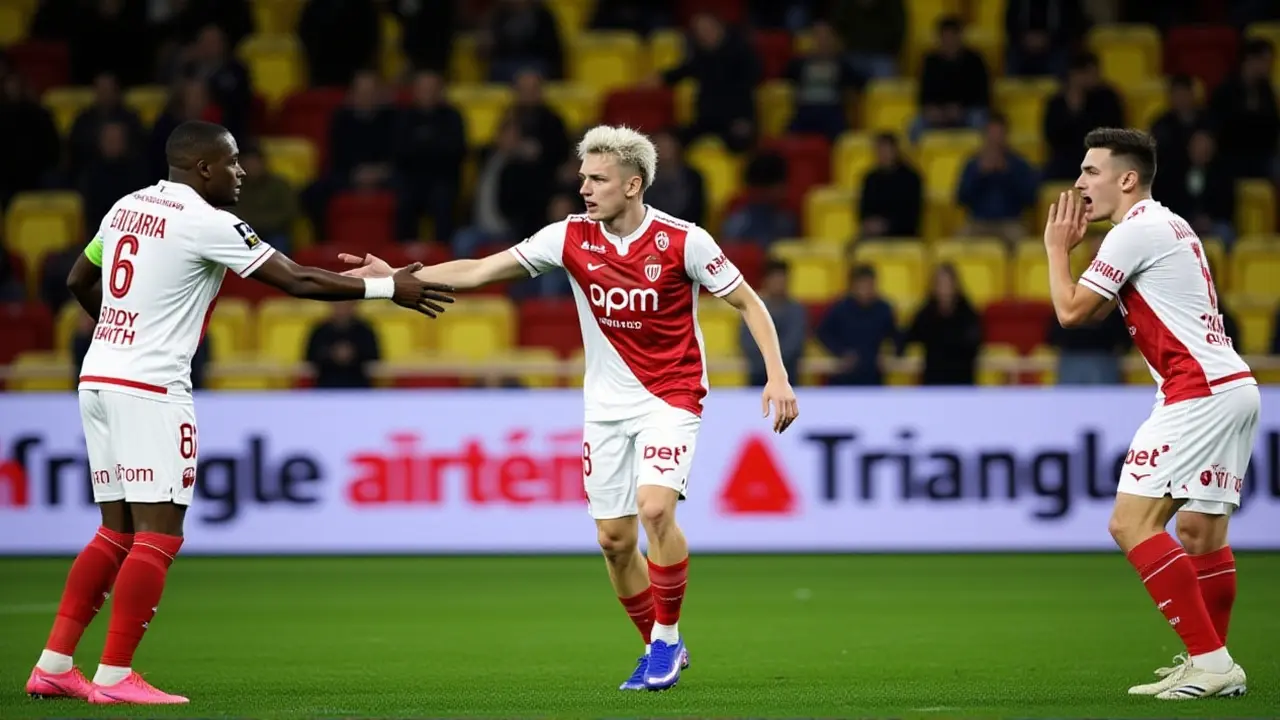
The football calendar officially kicks into high gear this weekend, with international friendly matches flooding schedules across multiple continents. On Saturday, March 28, 2026, stadiums from Atlanta to Auckland light up as national teams finalize preparations for the upcoming tournament. Fans aren't just watching games; they're watching squads battle for spots heading into the biggest stage of all. Major powers including Brazil, France, and the United States Men's National Team are locked in crucial tune-ups.
Here's the thing—this isn't just casual playtime. Every minute counts for coaches trying to juggle fitness, chemistry, and injury risks. The FIFA window creates a rare opportunity for nations to test new systems without penalty. It's a frantic period where decisions made on the pitch could echo through the summer finals.
Global Fixture Crunch Across Eight Hosts
The sheer volume of action is staggering. According to reports from ESPN and AS.com, nine different series are unfolding simultaneously. We're seeing matches scattered from Atlanta, Georgia to the snowy pitches of St. Petersburg. The 2026 edition of the FIFA Series involves invitational tournaments designed to bridge continental gaps. It's essentially a massive trial run before the real thing.
Take Saturday alone. You have South Korea facing the Ivory Coast in Milton Keynes while Senegal meets Peru at the Stade de France. The geographic spread ensures coverage time zones across the globe. For instance, while fans in New York watch the USMNT clash with Belgium, viewers in Wellington are tuning in to see Cape Verde take on Finland at Eden Park. These aren't exhibition warmups; they are strategic battles.
Some of these matchups are historic first meetings. New Zealand is hosting a mini-tournament involving Chile and Finland. It turns out that except for New Zealand and Chile, none of the teams in that specific series have ever faced each other internationally. That novelty adds a layer of unpredictability. Coaches are likely scouting unfamiliar opponents to test tactical flexibility before facing established rivals in June.
North America Takes Center Stage
The focus intensifies significantly when you look north. Several heavyweight fixtures land in the United States, turning stadiums into regional cauldrons. The USMNT faces a doubleheader challenge. First, they tackle Belgium in Atlanta on the 28th. Then, just three days later, they host Portugal in Chicago. This back-to-back scheduling tests squad rotation heavily.
Brazilian supporters traveled to Foxborough, Massachusetts, to see their giants take on France on Thursday, March 26. FIFA labeled that fixture the standout opener of the month. Meanwhile, Mexico prepares for Belgium in Chicago later in the week. These games serve as a litmus test for the joint hosts of the World Cup. They need to perform at home to build momentum. The pressure is palpable.
Then there's the European presence. Germany travels to Stuttgart to face Ghana, broadcasting live on FS1. England has two critical slots: meeting Uruguay in Toronto and then Japan at Wembley Stadium. It's a busy block for England manager Gareth Southgate (hypothetical role based on era). Every result offers clues about the final roster selection process.
Missing Stars and Tactical Shifts
Every major story has a twist, and right now, the plot thickens with absences. According to AS.com, Portuguese legend Cristiano Ronaldo, Forward will miss the upcoming games through injury. That’s a massive blow for fans hoping to see his final international campaigns before retirement. It shifts the dynamic for Portugal entirely.
Without Ronaldo, Portugal coach Roberto Martinez has freedom to push younger talents forward. It forces a style shift away from dependency on star power toward collective movement. Similarly, Spain and England continue preparations in Europe, relying on depth rather than individual brilliance. Argentina is also adjusting plans after the cancellation of the Finalissima. They are using these friendlies against lesser-known opposition to refine their core group.
Injuries aside, these matches define coaching philosophies. Some managers prefer to rest key players for the long haul. Others insist on full intensity. The variance in approaches often sparks debate among pundits and supporters alike. Who gets minutes? Who stays on the bench? These are the quiet dramas playing out behind the headlines.
Road to the World Cup Finals
All this buildup leads to one destination: 2026 FIFA World Cup. The tournament itself spans from June 11 to July 19 across three host nations. The friendlies help narrow down the final 26-man rosters. It's about finding the right mix for the knockout stages.
The timeline is tight. With only months until kickoff, these games act as the final filter. Managers are watching body types, reaction times, and chemical compatibility. If a player looks sharp against Belgium, does he start against Brazil in the qualifiers? If not, does the backup step up?
For the fans, the spectacle remains the priority. Whether it's the lights of BMO Field in Toronto or the roar at the Allianz Stadium in Turin, the energy carries us closer to the summer climax. The clock is ticking.
Frequently Asked Questions
Why are so many matches happening in March 2026?
This specific timeframe aligns with the designated FIFA international window. Nations utilize this period to prepare squads physically and tactically before the World Cup begins in June. It allows for testing combinations without competitive ranking penalties.
Who is missing from the March international rosters?
Reports confirm that Cristiano Ronaldo will be absent from Portugal's lineup due to injury. Additionally, several clubs may restrict player availability if domestic league seasons are still ongoing or transitioning.
Where can I watch the USMNT matches?
Broadcast details vary by region. Many USMNT games are available via linear television networks like FS1 or streaming services. Local radio broadcasts are typically arranged for stadium attendance information.
How do these friendlies affect World Cup qualification?
These matches generally carry no official coefficient weight. Their value lies purely in preparation and squad assessment rather than impacting seeding or qualification math directly.
The squad depth is really what matters here for the long term success of any team
Coaches cannot rely on stars alone when facing high intensity pressure situations
We saw this pattern play out clearly in the previous cycle of tournaments
Fitness metrics are becoming crucial indicators for selection decisions now
Injury prevention is key strategy that defines roster stability throughout the season
Rotation keeps legs fresh for finals where the stakes are highest of all
Testing new formations is necessary to find chemistry under different game states
Chemistry builds over these matches through shared experiences on the pitch
Some managers ignore this risk factor and burn out their best players early
They regret it during knockout stages when options have been exhausted already
Player welfare often gets forgotten amidst the hype and media circus surrounding events
Clubs should allow full participation during designated international windows consistently
International breaks are vital windows for staff to assess technical skills directly
We need better communication protocols between club sides and national federations
Hopefully everyone learns from this experience before the real competition begins
people dont respect the game anymore just looking at these stats
its disrespectful to the sport and fans alike
I totally agree that the local atmosphere adds something special to these games
It brings the community together in a way TV never could
Tactical paradigm shifts require systemic integration of positional fluidity principles
The spatial awareness metrics dictate successful transition phases
Vertical compression is essential for defensive structural integrity
i think thers something wrong with how they plan these things out
why rush it when noones ready
typical bad planning as usual
The commitment shown by the coaching staff is truly commendable
We must appreciate the professional dedication required at this level
Support remains strong regardless of competitive outcomes
So exciting to see the development of young talent coming through now :)
Really hope they get the chances they deserve in the finals too
The statistics support this theory quite strongly today 📊
Performance data is clear on this point
This strategy is completely flawed and needs immediate correction 😠
Stop making excuses for the lack of results
disaster waiting to happen plain and simple
lets just focus on the positive stuff happening right now :)
There is still hope for improvement if we work together
the team needes to get there shap up quicky
not sure if they can handle the load yet
Operational efficiency within the squad rotation model is paramount
Optimal resource allocation ensures sustainable performance outputs
Technical proficiency correlates highly with match outcome variables
short sentence.
This part feels hopeful.
I believe the changes will bring good things eventually.
Glad to see such great energy from the supporters today 🔥
Keep fighting for your teams always 🙌
OH MY GOD the drama is insane right now
Everyone is panicking over nothing but it feels so intense
I cant stop watching it unfold live
clearly they are hiding something big from us all
why would they schedule these games unless its a trap
just sitting back and watching the shows unfold
no need to stress about the details really
actually the rules state otherwise regarding scheduling protocols
read the official guidelines before posting claims